How a General Dentist in Santa Clarita CA Supports Long-Term Dental Health

Long-term dental health is rarely the result of one dramatic treatment. More often, it grows out of ordinary appointments, careful monitoring, honest conversations, and small corrections made before they become expensive or painful problems. That is where a general dentist becomes especially important. For many families, the general dentist is the clinician who sees the full picture over time, from routine cleanings and cavity checks to bite changes, gum health, worn restorations, and the early signs of conditions that reach beyond the mouth.
When patients look for a general dentist in Santa Clarita CA, they are often thinking about immediate needs. A cleaning, a filling, a broken tooth, maybe a child due for a first exam. Those reasons matter, but the larger value is continuity. Dentistry works best when someone is paying attention year after year. Teeth shift. Fillings age. Habits change. Medications affect saliva flow. Stress starts showing up as jaw tension or cracked enamel. A good general dentist catches those patterns early and helps patients make choices that protect their health over the long haul.
The value of continuity in everyday dental care
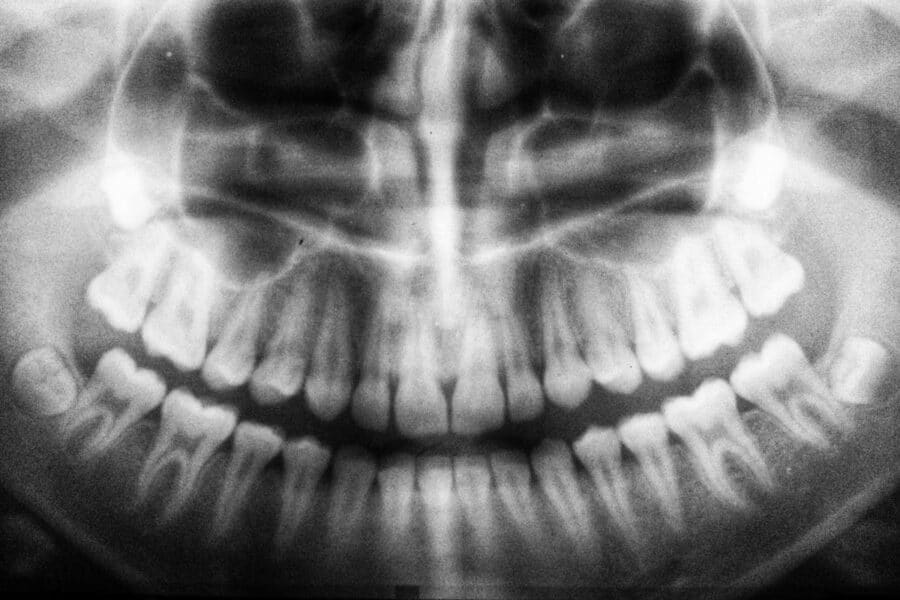
There is a practical difference between receiving isolated treatment and receiving ongoing care from the same office. A general dentist who has seen a patient over several years usually develops a sharper sense of what is normal for that person. Small changes become easier to spot. A shadow on an X-ray means more when the dentist can compare it with films from prior visits. Gum measurements tell a richer story when there is a baseline. Even a patient’s bite, speech, and muscle tension can reveal trends that would be easy to miss in a one-time appointment.
That continuity matters because many dental problems do not arrive with dramatic symptoms. Early decay can be painless. Gum disease often advances quietly. Cracks in molars may begin as occasional sensitivity when chewing and stay easy to dismiss until a cusp breaks off. A patient may think everything is fine because nothing hurts, while a trained eye sees wear, recession, plaque buildup in hard-to-reach areas, or inflammation along the gumline.
A seasoned general dentist also learns the patient’s patterns. Some people are meticulous brushers but struggle with flossing around crowded lower front teeth. Others have excellent home care and still develop decay because of dry mouth from medication. Teenagers who once had no cavities may come back from a year of sports drinks and late-night snacking with new demineralized areas. Retired patients sometimes show increased root exposure and sensitivity as gums recede naturally with age. Long-term dental health depends on recognizing these shifts and adjusting care before they spiral.
Prevention is not just a cleaning every six months
Routine preventive care often gets reduced to a calendar reminder, but prevention is broader than polish and fluoride. A general dentist evaluates the mouth as a living system, where habits, biology, age, and medical history all interact. The cleaning is only one part of the appointment. The exam, periodontal evaluation, bite assessment, review of symptoms, and updated radiographs when appropriate all contribute to the bigger goal.
For one patient, prevention may mean replacing an old filling with failing margins before decay spreads under it. For another, it may mean identifying that the gum bleeding is not from aggressive brushing, but from early periodontal disease. For a child, prevention might be a conversation about sealants and proper brushing technique. For an adult under chronic stress, it may involve noticing flattened chewing surfaces and discussing nighttime grinding before a tooth fractures.
General dentists often spend a lot of time doing what seems almost modest from the outside: watching, documenting, comparing, and advising. Yet this is exactly what preserves teeth. A small cavity repaired early usually means a conservative filling. The same tooth left untreated may later need a larger restoration, then a crown, and eventually root canal therapy if bacteria reach the pulp. Dentistry has a sequence to it, and prevention works by interrupting that sequence early.
The dentist as the first line of defense against bigger problems
Many people think of dentistry as separate from general health, but the mouth tends to reflect broader issues. A careful general dentist may be the first health professional to notice signs that deserve further evaluation. Swollen or bleeding gums can point to oral hygiene problems, but they can also become more severe in patients with poorly controlled diabetes. Persistent dry mouth may be linked to medications, autoimmune conditions, or cancer treatment. Erosion patterns sometimes suggest acid reflux or frequent exposure to acidic beverages. Sores that do not heal, white patches, or unusual tissue changes require prompt attention.
This does not mean every finding leads to a serious diagnosis. Most do not. It does mean that regular dental visits create repeated opportunities to notice when something is outside the ordinary. That is one reason oral cancer screenings and soft tissue exams matter, even for patients who have not had tooth pain in years. Catching an abnormality early can make an enormous difference in treatment and outcome.
There is also the simple fact that inflammation in the mouth has consequences. Advanced gum disease does not stay neatly confined to one corner of a patient’s life. It can affect chewing comfort, confidence, breath, and eventually tooth stability. Once bone loss becomes significant, the road back is much steeper. A general dentist helps patients understand that healthy gums are not cosmetic extras. They are the foundation that keeps teeth in place.
How early intervention protects both teeth and budgets
One of the least glamorous truths in dentistry is that delay usually makes treatment more invasive. Patients often hope a minor sensitivity will go away on its own, or assume a chipped filling can wait until life calms down. Sometimes it can wait briefly. Often it becomes a larger and more expensive problem.
Consider a common example from daily practice. A patient notices cold sensitivity on a back tooth, but only occasionally, and avoids chewing ice on that side. At the exam, the dentist finds a failing old silver filling with a crack beginning in the surrounding enamel. At that stage, the tooth might be restored with a bonded filling or crown, depending on the extent of damage. Ignore it for another year, and the same tooth may fracture below the gumline or develop pulpal inflammation severe enough to require root canal treatment. If the crack extends too far, extraction becomes the only realistic option. The earlier visit can save the tooth structure, reduce cost, and spare the patient days of pain.
That pattern repeats across many situations. Mild gingivitis can often improve with a professional cleaning, better home care, and consistent maintenance. Untreated periodontal disease may later require deep cleanings, more frequent recall visits, possible specialist involvement, and years of maintenance to keep it stable. A small area of decay between teeth may only show on X-ray before a patient feels anything. Treat it then, and the procedure is typically straightforward. Wait until the lesion grows, and the treatment becomes more complex.
Patients appreciate honesty here. Not every stain is decay. Not every cracked tooth needs a crown the moment it is found. Good general dentists use judgment, not fear. They distinguish between what needs prompt treatment, what should be monitored, and what can be managed with behavioral changes. That nuance builds trust and supports better long-term decisions.
Gum health is the quiet backbone of a healthy mouth
If there is one area patients tend to underestimate, it is periodontal health. Teeth get the attention because they are visible and they hurt when something goes wrong. Gums, by contrast, often tolerate inflammation for a long time without dramatic pain. That can create false reassurance.
A general dentist measures pocket depths, checks for bleeding, assesses recession, evaluates plaque and calculus accumulation, and watches for mobility or bone loss over time. These details may feel technical during an appointment, but they reveal whether the support system around the teeth is healthy. A person can have no cavities and still be at risk of losing teeth from gum disease.
Long-term dental health depends on keeping the gums stable. This is especially true for adults who have crowns, bridges, implants, or a history of periodontal treatment. Restorations cannot compensate for weak supporting tissues. Even beautifully done dental work will fail earlier if plaque remains around the margins or inflammation persists unchecked.
In practice, improving gum health often requires both professional treatment and realistic coaching at home. Patients do better when advice is specific. Telling someone to floss more is vague. Showing them how to angle the floss around a bridge, use interdental brushes around wider spaces, or clean along the back molars despite a strong gag reflex is far more effective. General dentists and hygienists who take the time to tailor these instructions often see striking improvement at follow-up.
Restorative care plays a long game
Fillings, crowns, bonding, and other common restorative procedures are sometimes framed as one-and-done solutions. In reality, every restoration enters a long lifecycle. Materials wear down. Margins stain. Porcelain can chip. Bite forces change. The skill of a general dentist lies not only in placing restorations well, but in helping patients maintain them and knowing when repair, replacement, or monitoring makes sense.
A conservative approach matters. The healthiest tooth is the one that keeps as much natural structure as possible. That is why early detection remains so important. A small cavity can often be restored with minimal removal of tooth structure. Once damage becomes extensive, more aggressive treatment is necessary, and each future replacement may require a little more reduction. Over decades, that cumulative loss becomes significant.
Patients are often surprised to learn that old dental work deserves periodic review even if it feels fine. A filling can look solid from above while decay develops underneath or between teeth. A crown may still be comfortable while the cement seal starts to fail at the edge. Routine exams help identify these issues at a manageable stage.
The longer view also shapes material choices. A patient who clenches heavily, has a deep bite, or has already cracked several teeth may need a different restorative strategy than someone with low bite forces and excellent enamel. A college student with a small chipped front tooth may value an esthetic bonded repair that preserves structure and fits a modest budget, even if it may need maintenance later. A middle-aged patient restoring a heavily broken molar may benefit more from the durability of a crown. Long-term dental health is not about choosing the fanciest option. It is about choosing the right option for the tooth, the bite, and the patient’s priorities.
Children, teens, and the advantage of growing up with one dental home
One of the strongest arguments for regular care with a general dentist in Santa Clarita CA is the way it supports families over time. Children who grow up returning to the same dental office often become more comfortable with care, less anxious about treatment, and more likely to carry good habits into adulthood. That familiarity matters. Dental fear can delay care for years, and delayed care almost always carries a cost.
For children, the dentist monitors eruption patterns, spacing, oral hygiene skills, and cavity risk. Baby teeth are temporary, but they are not disposable. They guide speech, chewing, and the proper development of the permanent dentition. Losing them too early because of decay can create crowding and alignment problems later.
Teenagers bring a different set of concerns. Orthodontic retainers, sports injuries, soda and energy drink use, inconsistent brushing, vaping, and wisdom teeth monitoring all enter the picture. This is also the age when white spot lesions and early gum inflammation become common in patients who are otherwise healthy. A general dentist often serves as the steady voice of prevention during a period when routines become less consistent.
By adulthood, patients who have maintained regular care usually understand their own patterns better. They know whether they tend toward tartar buildup, sensitivity, or clenching. That self-awareness is valuable. It lets the dentist fine-tune recommendations instead of starting from scratch at every visit.
The role of bite, wear, and jaw stress in long-term health
Not every dental problem is caused by sugar or poor brushing. Mechanical stress matters, and general dentists see its effects every day. Flattened chewing surfaces, chipped edges, recession near the gumline, fractured fillings, sore jaw muscles, and headaches on waking can all reflect excessive forces on the teeth.
Stress-related clenching is particularly common, and many patients do not realize they do it. They may present with a cracked molar, sensitivity that comes and goes, or an unexplained feeling that their teeth are “tight” in the morning. Over time, grinding can shorten teeth, strain restorations, and accelerate fracture risk.
This is one area where the general dentist’s broader perspective is useful. The solution is not always dramatic. Sometimes it is a properly fitted night guard. Sometimes it is adjusting a bite interference that is overloading one tooth. Sometimes it is helping the patient understand that the jaw soreness and tooth sensitivity worsen during periods of work stress or poor sleep. Long-term dental health involves reducing those repetitive forces before they destroy healthy structure.
Home care still matters, but it works best with professional guidance
Dentists cannot brush and floss for their patients, and no article about long-term oral health is honest without acknowledging that daily habits are the foundation. Yet patients often receive generic advice that does not quite fit their reality. Someone with excellent dexterity and ideal spacing can maintain health with standard brushing and flossing. Someone with arthritis, tight contacts, implants, bridges, or orthodontic retainers may need different tools and techniques.
The best home care plans tend to be simple enough to sustain. Perfection is less important than consistency. Two focused minutes with a soft-bristled electric toothbrush, daily cleaning between teeth, and attention to diet often beat ambitious routines that last four days and disappear. A general dentist helps refine those routines over time based on what is actually happening in the mouth.
There are a few habits that repeatedly make a measurable difference:
- Brushing thoroughly twice a day with fluoride toothpaste.
- Cleaning between teeth daily with floss or another recommended aid.
- Limiting frequent sugary or acidic snacking and sipping.
- Wearing a night guard or sports mouthguard when indicated.
- Keeping recall visits even when nothing feels wrong.
These are not flashy recommendations, but they remain effective because they address the main drivers of decay, gum disease, and dental breakdown.
Why local access in Santa Clarita can improve follow-through
Location may seem like a practical footnote, but it affects consistency more than many people admit. Patients are much more likely to keep preventive visits, return for follow-up treatment, and bring in children on schedule when the office is convenient to home, school, or work. Long-term dental health depends on follow-through, and follow-through is easier when care fits daily life.
For residents seeking a general dentist in Santa Clarita CA, local care can also mean faster attention when something urgent happens. A lost filling before a trip, a child with sudden tooth https://jaredhnii969.opalvector.com/posts/general-dentist-santa-clarita-ca-insights-for-better-smile-maintenance pain, a broken crown, or swelling that starts over a weekend is easier to manage when you already have an established office that knows your history. That continuity reduces the guesswork and fragmentation that often come with urgent care visits elsewhere.
Local practices also tend to become familiar with the communities they serve. They see generations of families, understand scheduling pressures around schools and commutes, and often develop a care style that reflects the needs of the area. That may sound intangible, but it shapes patient experience in meaningful ways. People are more likely to return when they feel known rather than processed.
What patients should expect from a strong long-term dental partner
A good general dentist does more than treat disease. The role includes education, pattern recognition, preventive strategy, and timely referrals when a specialist is truly needed. The best offices balance thoroughness with restraint. They explain findings clearly, avoid alarmist language, and offer options when more than one treatment path is reasonable.
Patients should expect examinations that look beyond obvious cavities. They should expect discussions about gum health, bite forces, old restorations, oral cancer screenings, and any habits that could affect future stability. They should also expect transparency. If something can be monitored safely, that should be said plainly. If treatment is urgent, the reason should be equally clear.
The relationship works best when patients are candid too. Grinding, dry mouth, smoking or vaping, frequent snacking, fear of treatment, and financial concerns all affect the plan. A dentist can only tailor care around real circumstances if those circumstances are on the table. In my experience, patients often assume they will be judged for inconsistency or delay. Most clinicians would rather know the truth and build a workable plan than pretend an unrealistic ideal is possible.
Long-term dental health is built appointment by appointment
Teeth endure decades of chewing, temperature swings, bacterial exposure, accidents, stress, and aging. It is unrealistic to expect them to stay healthy without regular maintenance and thoughtful care. What keeps many patients stable into later life is not luck. It is the accumulation of small, timely interventions: a cleaning when tartar starts to build, a filling before decay deepens, a crown before a cracked cusp breaks, a night guard before wear becomes fracture, a periodontal plan before bone loss advances.
That is the quiet strength of general dentistry. It is not only about fixing what is broken. It is about seeing what is changing, explaining what matters, and helping patients preserve function and comfort year after year. For individuals and families who want a practical, lasting approach to oral health, working with a trusted general dentist in Santa Clarita CA can make the difference between reactive care and a healthier future that holds together well over time.
Smyle Dental Newhall
Address: 23754 Newhall Ave, Santa Clarita, CA 91321
Phone number: +16612559200
FAQ About General dentist Santa Clarita CA
What does it mean by general dentist?
A general dentist is your primary dental care provider. They focus on the overall prevention, diagnosis, and treatment of your daily oral health needs. Think of them as your primary care doctor, but for your teeth and gums.
What is the difference between a dentist and a general dentist?
A dentist is a broad professional title for any licensed oral healthcare provider, while a general dentist is a specific type of primary care dentist who focuses on routine, preventive, and everyday treatments.
What is the difference between a dentistry practitioner and a dentist?
A dentist is a licensed doctoral-level healthcare professional, whereas a dental practitioner is a broader umbrella term that can include dentists as well as other trained oral health professionals.