Invisalign for Special Occasions: Smile With Confidence

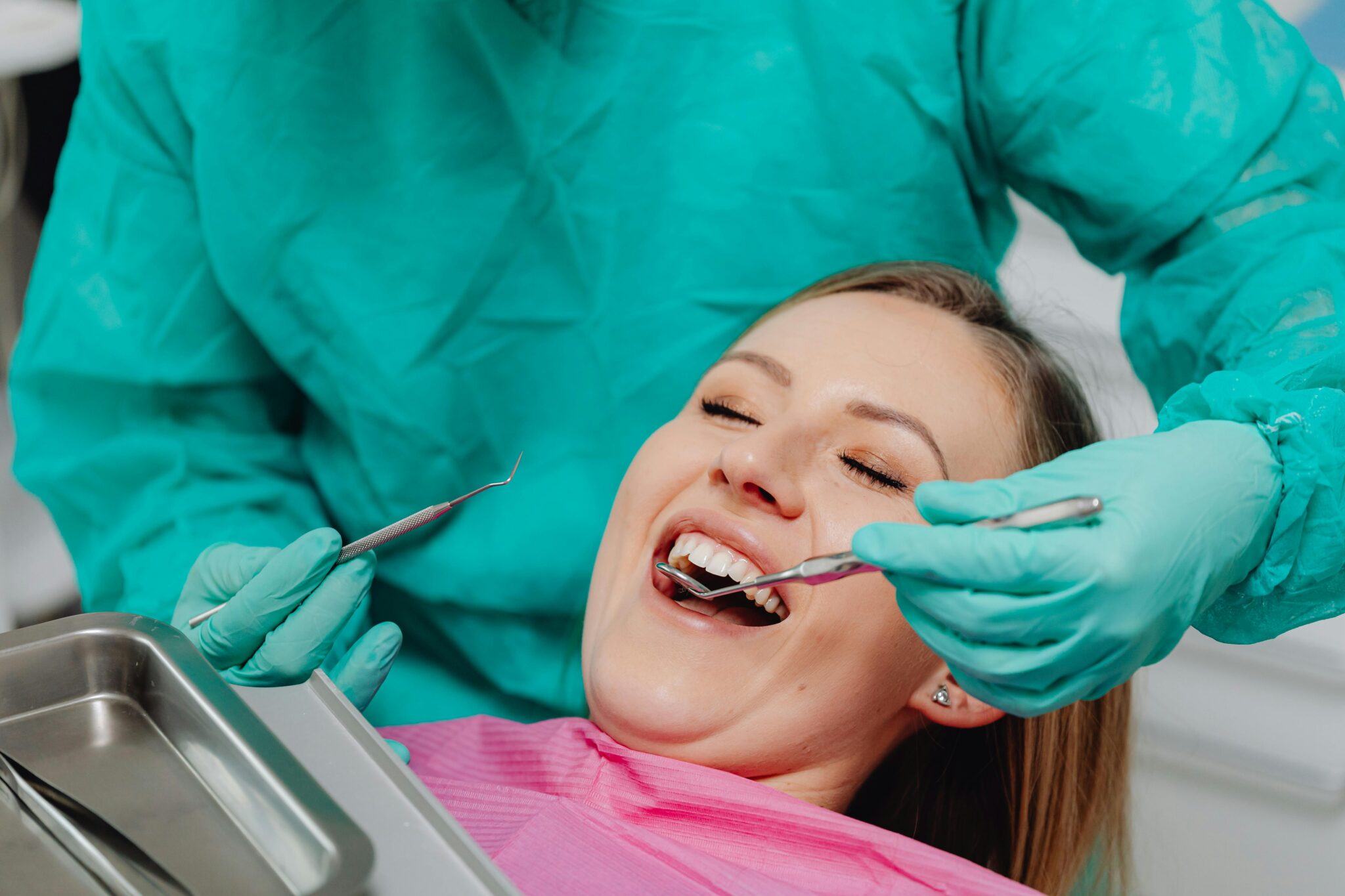
There is a particular kind of pressure that comes with a major event. It might be a wedding, a graduation, a reunion, a milestone birthday, or the first season of work presentations after finally moving into a leadership role. Clothing can be tailored, skin can be prepped, hair can be styled, but the smile is harder to fake. People know when they are holding back in photos. They know when they laugh with a hand over their mouth. They know when every candid image gets reviewed with a wince.
That is where Invisalign often enters the conversation. Not as a magic shortcut, and not as a cosmetic whim, but as a practical orthodontic option for people who want to improve their smile without putting metal brackets front and center during an important stretch of life. For special occasions, the appeal is obvious. The aligners are clear, removable, and generally easier to fit around social events than traditional braces. Still, timing matters. Expectations matter even more.
The people happiest with Invisalign before a big event are usually the ones who understand two truths at the same time. First, clear aligners can make a noticeable difference, sometimes surprisingly quickly in the right case. Second, orthodontic tooth movement follows biology, not a calendar invite. You can guide the process carefully, but you cannot bully bone and ligaments into moving faster just because your save-the-date cards have already gone out.
Why special occasions change the decision
When someone starts orthodontic treatment for a long-term goal, they are usually thinking in broad terms. They want straighter teeth, a healthier bite, or less crowding over the next year or two. A special occasion narrows the focus. Suddenly the question becomes much more specific: How will my smile look in six months? Will these aligners show in pictures? Can I take them out during a speech, a ceremony, or dinner? What if I have attachments on my front teeth?
Those are reasonable questions, and they deserve honest answers.
Invisalign works well for many adults and teens precisely because it can be integrated into normal life with less visual interruption. At conversational distance, most people will not notice the aligners unless they are looking for them. In photos, they are usually far less obvious than braces. For someone walking down the aisle, stepping onto a stage, or attending a high-profile corporate event, that discretion matters.
The removability also changes the experience. If you are giving a toast, posing for formal portraits, or sitting through a long celebratory meal, you can often remove the aligners briefly and put them back in afterward. That level of flexibility makes a real difference. It can reduce self-consciousness, especially for people who are already camera-aware.
Still, special occasions can tempt people into making treatment decisions for the wrong reasons. A patient may want to rush through a complex case in an unrealistic timeframe. Another may assume clear aligners mean zero lifestyle adjustment. Neither is true. The best results come from matching the treatment plan to the event, not forcing the event to dictate biology.
What Invisalign can realistically change before a big day
The speed of visible improvement depends on the starting point. Mild crowding or spacing in the front teeth often responds more quickly than deep bite correction, significant rotations, or cases that require larger bite changes. That distinction matters because most people judging their own smile are focused on the front six to eight teeth. If those are the main concern, a relatively short treatment window can still produce meaningful cosmetic improvement.
I have seen people become dramatically more comfortable in photos after only a few months because the one tooth that used to jump out in every smile had moved enough to soften the whole appearance. That kind of change can have an outsized emotional effect. A smile does not have to be textbook perfect to feel better. It just has to stop distracting the person who wears it.
That said, some changes take patience. Teeth that are rotated, especially rounder teeth like canines and premolars, can be stubborn. Vertical movements can be slower. Bite correction often continues after the front teeth start looking straighter. If your event is eight months away and your case is moderate to complex, the practical question may not be “Will I be finished?” but “Will I look noticeably better by then?” Those are very different goals, and the second one is often far more achievable.
An experienced provider will say this plainly. They should be able to show you where improvement is likely to happen early, where it may lag, and what compromises are acceptable if the event falls in the middle of treatment. If that conversation never happens, it should.
The timeline question everyone asks
The earlier you start, the more options you have. That sounds obvious, but people often wait until an event feels close and urgent before seeking a consultation. By then, the planning window may already be tighter than they realize. Records have to be taken, the case has to be designed, aligners have to be manufactured, and attachments may need to be placed. Even in a smooth process, treatment does not begin the same day you decide you want it.
As a working rule, think in seasons rather than weeks. If your event is next summer, autumn or winter is a sensible time to have the first serious orthodontic conversation. If the event is in three months, it is still worth asking what is possible, but the answer may be more limited, especially if your goals are significant.
A few general timing patterns tend to hold up in real practice:
- If you have 9 to 18 months before the event, you may be able to complete treatment or get very close, depending on case complexity.
- If you have 4 to 8 months, cosmetic improvement in the front teeth is often realistic for mild to moderate cases.
- If you have 2 to 3 months, expectations need to be conservative, but some movement may still help if the concern is minor and well chosen.
- If your event is only weeks away, whitening, polishing, contouring, or restorative options may matter more than starting active tooth movement immediately.
- If your case is complex, the event can still fit into treatment comfortably, but the plan should be designed around that midpoint rather than pretending it is the finish line.
Those ranges are not guarantees. They are simply grounded expectations. Orthodontics works best when no one is pretending there is a shortcut that does not exist.
Attachments, trays, and the camera
The phrase “invisible braces” has done both good and harm. It helped people understand the appeal of Invisalign, but it also gave some patients the impression that clear aligners are literally invisible. They are not. They are subtle. There is a difference.
Most aligners create a slight sheen over the teeth. Up close, especially under bright light, that can be visible. Attachments, the small tooth-colored shapes bonded to certain teeth to help guide movement, can also catch light or alter how smooth the tooth looks. On central front teeth, they are more noticeable than many people expect, though still usually far less conspicuous than brackets and wires.
For special occasions, this is where careful planning matters. Some providers can sequence certain visible movements later, delay select attachments if clinically safe, or discuss whether a temporary pause around the event makes sense. Not every case allows for this, and orthodontics should never be compromised casually for aesthetics, but there is often more nuance available than patients realize.
Photography adds another layer. In still images, aligners tend to disappear more easily than in person, especially with professional lighting and normal retouching. Attachments may or may not show depending on angle and light reflection. If formal portraits are the focus, many people choose to remove aligners briefly during the session. That is usually manageable as long as it is discussed with the orthodontist and does not become an all-day habit.
The practical point is simple: do not assume, ask. Ask what will be visible. Ask whether front-tooth attachments are likely. Ask how your smile will look at month three, month six, and the week of the event. Those questions are not vain. They are the entire reason many patients seek treatment in the first place.
Weddings, reunions, and presentations are not the same thing
Special occasions sound like one category, but they place very different demands on treatment.
A wedding tends to involve long days, repeated photos, meals, drinks, travel, and emotional unpredictability. You may be up early, out late, and nowhere near your normal routine. That makes compliance harder. If aligners are removed for brunch, forgotten during hair and makeup, taken out again for the ceremony, then left out through https://franciscornhb037.evergrovio.com/posts/invisalign-for-professionals-who-want-a-subtle-smile-upgrade the reception, wear time can collapse fast. For wedding patients, success often comes down less to orthodontic mechanics and more to whether they plan the day realistically.
Reunions create a different kind of tension. They are less logistically intense, but often more psychologically charged. People are thinking about how they will look to people who remember them from years ago. In that setting, even moderate improvement can feel deeply worthwhile. The smile does not need to be finished. It just needs to feel more like the version of oneself one wants to present now.
Professional events bring another set of priorities. Executives, attorneys, sales leaders, media figures, and educators often care less about social photos than about speech clarity and comfort during long days of talking. Invisalign usually causes only temporary speech changes, often a slight lisp for a few days or a couple of weeks, but if your event involves keynote speaking or recorded media, that adjustment period should not be ignored. Starting treatment the week before a major presentation is generally poor timing. Starting earlier, with room to adapt, is much smarter.
The discipline Invisalign requires, especially when life gets busy
Clear aligners reward consistency and punish casual wear. That is not a moral judgment. It is just how the system works. Most patients are asked to wear aligners about 20 to 22 hours a day. A special occasion can disrupt that routine not only on the day itself, but during the weeks leading up to it. Tastings, parties, travel, dress fittings, business dinners, engagement shoots, rehearsal events, graduation celebrations, and holiday gatherings all add up.
People often underestimate how much “just this once” affects progress. One evening off becomes two. A weekend trip becomes a pattern of shorter wear. Then the next tray feels tight, or does not seat fully, and momentum is lost. At that point patients may blame the product, when the real issue is simple inconsistency.
The solution is not perfectionism. It is structure. Patients who do well during busy seasons usually create systems. They keep a travel toothbrush and case with them. They know when they will remove aligners and when they will put them back in. They do not wrap trays in napkins at restaurants. They switch aligners at night so any initial pressure happens during sleep rather than at an event.
This is one of those areas where maturity matters more than age. A disciplined college student may do better than a busy executive who snacks all day in meetings. Invisalign is convenient, but it asks for follow-through.
If you want the best result for an event, focus on these habits
- Wear the aligners for the prescribed hours, especially in the final weeks before the event.
- Use chewies or any recommended seating aid if a tray feels slightly lifted.
- Keep the aligners clean, because cloudy trays show more in person and in photos.
- Carry the case everywhere, because lost trays create far bigger problems than visible trays.
- Tell your provider about the event date early, not after the plan is already underway.
None of this is glamorous, but it is the difference between treatment that tracks and treatment that drifts.
What to expect the week of the event
This is where practical judgment matters more than generic advice. Many people assume they should switch to a new set of aligners right before the big day so everything feels “fresh.” Usually, the opposite is wiser. New trays can create temporary pressure, tenderness, or speech adjustment. If you have a wedding on Saturday, changing aligners that morning is rarely the best move. In many cases, changing several days earlier, or waiting until after the event, is more comfortable.
The same logic applies to attachments or interproximal reduction, if those are part of the plan. You do not want the first 48 hours of adaptation landing exactly on top of your most photographed weekend. Good scheduling can avoid that.
The week of the event also tends to be the time when patients become hyperaware of every minor detail. Is the aligner edge visible? Does the smile look uneven? Is one front tooth still not perfect? This is where perspective helps. Teeth move incrementally, and people staring in the mirror from six inches away notice details no one else will ever see. Professional photos, normal conversation, and genuine expressions almost always matter more than a tiny residual rotation that only the patient can detect.
If a patient is deeply concerned, a polishing appointment, whitening touch-up if appropriate, or a review with the treating doctor can provide reassurance and help fine-tune the plan. Sometimes what people really need at that stage is not more treatment, but confirmation that the smile already looks much better than it did.
When Invisalign may not be the right answer for the deadline
There are cases where another approach makes more sense, at least initially. If the event is very close and the cosmetic concern is limited, minor bonding, enamel contouring, whitening, or even simply a professional cleaning may create more visible benefit in time than starting orthodontic movement too late to matter. That does not mean abandoning Invisalign altogether. It may mean staging treatment intelligently.
There are also bite and crowding patterns where aligners are absolutely reasonable long term, but unlikely to deliver the specific aesthetic change a person wants before a near-term event. A skilled provider should say so. The temptation in cosmetic healthcare is always to promise optimism. The better approach is controlled honesty.
One of the more useful conversations in these situations is separating “event ready” from “fully treated.” They are not the same. A smile can be event ready with moderate improvement, strategic whitening, and confidence coaching on photographs and posture, while still having orthodontic work left to do afterward. Patients often feel relieved once they hear that distinction out loud.
The emotional side is real, and it should not be dismissed
People sometimes minimize the emotional importance of smile concerns around major life events, as if wanting to feel confident in photos were superficial. It is not. Photographs from weddings, graduations, and family milestones do not disappear after a week. They become part of how people remember themselves during meaningful chapters.
I have heard versions of the same story many times. Someone says they were thrilled with the day itself but hated how tense their smile looked in every picture. Or they say they spent years cropping photos, smiling closed-lip, or choosing angles that hid one side of the mouth. When they finally address alignment, the reaction is often larger than outsiders expect. It is not only about straight teeth. It is about ease. About no longer thinking so hard every time a camera appears.
That is why Invisalign can be a strong choice for special occasions. Not because it promises perfection on a deadline, but because it often makes improvement feel compatible with real life. You can attend meetings, date, travel, celebrate, and be photographed without feeling like your orthodontic treatment dominates every interaction.
Choosing the right provider matters more than choosing the brand
Patients often focus on the aligner name because that is the visible part. The more important variable is the person planning the movement. Invisalign is a tool. The outcome depends on diagnosis, staging, attachment strategy, monitoring, refinement decisions, and communication. For a special occasion, communication becomes especially important because the treatment has to fit a calendar with emotional significance.
A strong consultation should cover your goals, event timing, travel plans, social schedule, and tolerance for compromises. It should also address whether your concern is purely cosmetic or tied to deeper functional issues. If your bite is unstable or your crowding is causing wear, the best provider will balance short-term appearance with long-term health instead of treating them as competing interests.
This is also the right time to ask for realism. Not sales language, realism. Ask which teeth are likely to improve first. Ask whether front-tooth attachments are likely. Ask what happens if tracking slips a month before the event. Ask whether a refinement phase is probable. The answers will tell you as much about the provider as the digital smile simulation ever could.
Confidence is not all or nothing
A common mistake is waiting for a perfect smile before allowing confidence to show up. Orthodontic treatment rarely works that way. Most people feel better in stages. First they notice less crowding. Then they stop checking every mirror. Then someone comments that they look different, though they cannot say why. Then photographs begin to feel easier. The final result matters, but so does the gradual return of comfort along the way.
For special occasions, that middle ground is often enough. You do not need a flawless Hollywood smile to enjoy your wedding photos, accept an award, reconnect with old friends, or speak in front of a room with authority. You need a smile that no longer makes you retreat.
Invisalign can help create that shift when the case is suitable, the timing is handled honestly, and the patient commits to the process. It is discreet, adaptable, and often highly effective. It is also still orthodontics, with all the patience and consistency that requires.
If you have a meaningful date on the horizon, the smartest move is not to guess. Get evaluated early. Bring the timeline into the room. Be candid about what bothers you most. A good plan can often do more than people expect, especially when there is enough time to do it properly. And when treatment is matched to both the biology and the moment, confidence tends to follow naturally, right when it matters most.
Omni Dental Specialty
Address: 1690 E Gonzales Rd, Oxnard, CA 93036
Phone number: +18053666000
FAQ About Invisalign
How much does Invisalign actually cost?
The out-of-pocket cost for Invisalign typically ranges between $3,000 and $8,000, with most patients paying a national average of roughly $5,100 to $5,700 before insurance.
What is the downside to Invisalign?
The biggest downsides to Invisalign are the intense discipline required to wear the trays 22 hours a day, the inconvenience of removing them to eat or drink, and the inability to fix severe, complex orthodontic issues.
Is $5000 a lot for Invisalign?
No, $5,000 is not considered a lot for Invisalign; it is exactly the national average. Treatment costs typically fall between $3,000 and $8,000, and $5,000 is the standard fee for a moderately complex case that takes 6 to 18 months to complete.